Learn grammar through real Chinese
I rarely turn grammar into long explanations. I prefer to introduce it through conversations, situations and real topics, so students understand not only how a structure works, but when people actually use it.
I teach Chinese the way people actually use it.
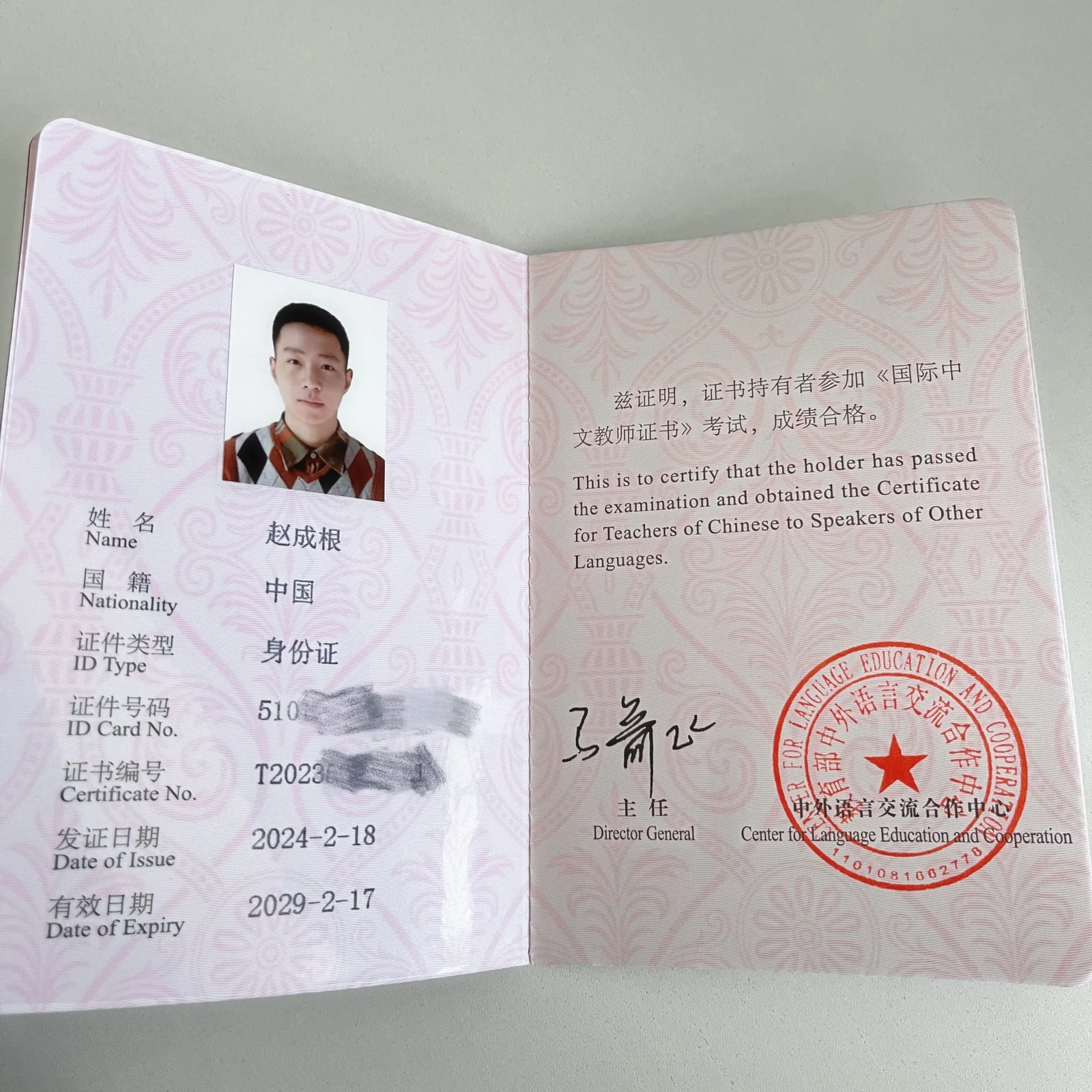
I’m a Mandarin teacher from Chengdu with six years of online teaching experience, professional voice-work experience, and a deep interest in Chinese language and culture.


I’m from Chengdu, and I’ve spent the past six years teaching Chinese to learners with different backgrounds and goals. What matters most to me is helping students use Chinese in real conversations — not just understand it on paper.
In my classes, one expression often leads us much further: into everyday language, work culture, traditions, modern life in China, or the small differences that make Chinese sound more natural.
I like my classes to feel relaxed and lively. Students should have room to speak, make mistakes, ask questions and enjoy the conversation.
My experience as a museum volunteer guide

Outside the classroom, I volunteer as a museum guide, introducing visitors to Chinese history and artifacts, especially the archaeology and cultural history of Sichuan.

The stories I work with range from Sanxingdui and ancient cliff tombs to funerary objects, religious imagery and artifacts that reveal how people in Sichuan lived, believed and understood the world.

I have always been deeply interested in Chinese history and traditional culture. Museum work gave me a more systematic way to understand these stories, and that perspective naturally finds its way into my Chinese classes.
In 2017, I spent a year in Beijing working professionally in voice acting on animation projects.
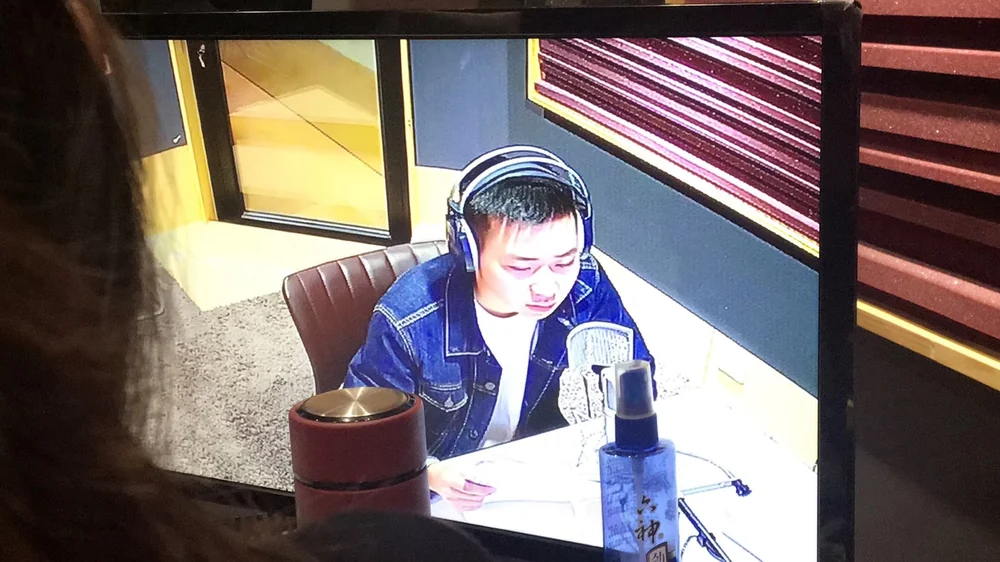
During that time, I received systematic Mandarin pronunciation training from broadcasting teachers from Communication University of China. The work sharpened my understanding of articulation, tone, rhythm and practical pronunciation training.
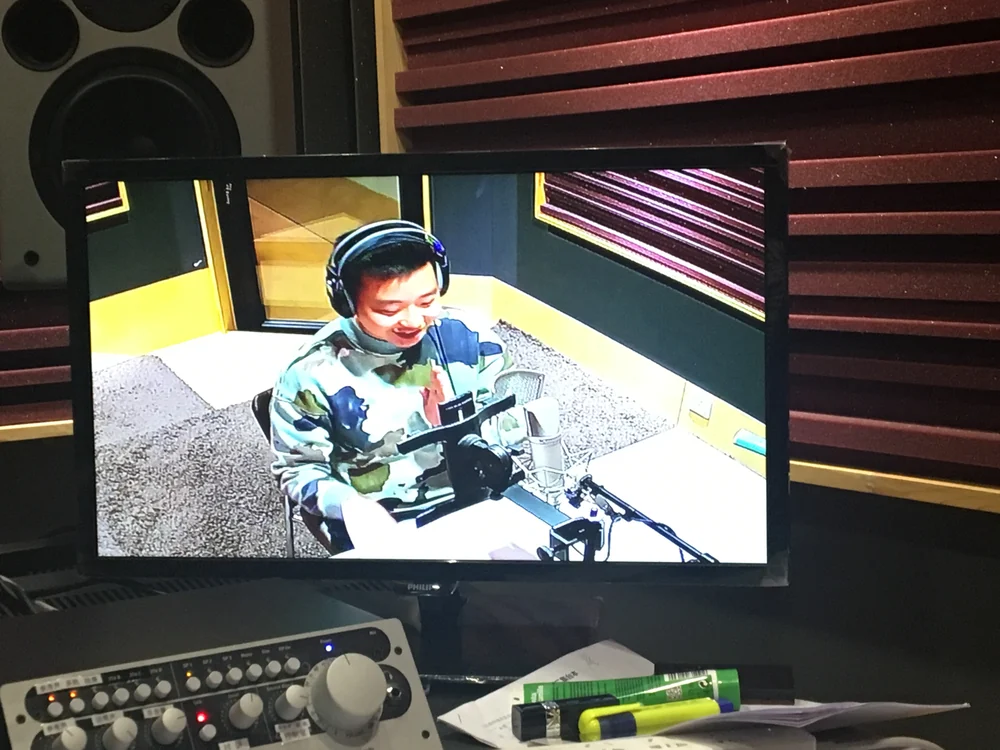
Tones and the influence of a first language can be difficult for learners. My voice-training background helps me hear those patterns quickly and suggest practical adjustments.
Projects I worked on included 一人之下, 那年那兔那些事 and 十万个冷笑话.
I rarely turn grammar into long explanations. I prefer to introduce it through conversations, situations and real topics, so students understand not only how a structure works, but when people actually use it.
A single expression can lead us into a much bigger conversation — daily life, work culture, traditions, modern China, or the way people communicate. I want students to understand the language around the sentence, not just memorize the sentence itself.
My goal is simple: I want students to speak more, understand more and use Chinese more naturally. For beginners, that means building a strong foundation. For learners who already have experience, it means going deeper into nuance, natural expressions and the Chinese that textbooks cannot always fully explain.
The best class is one where you forget you’re “studying” for a moment and simply start using Chinese.
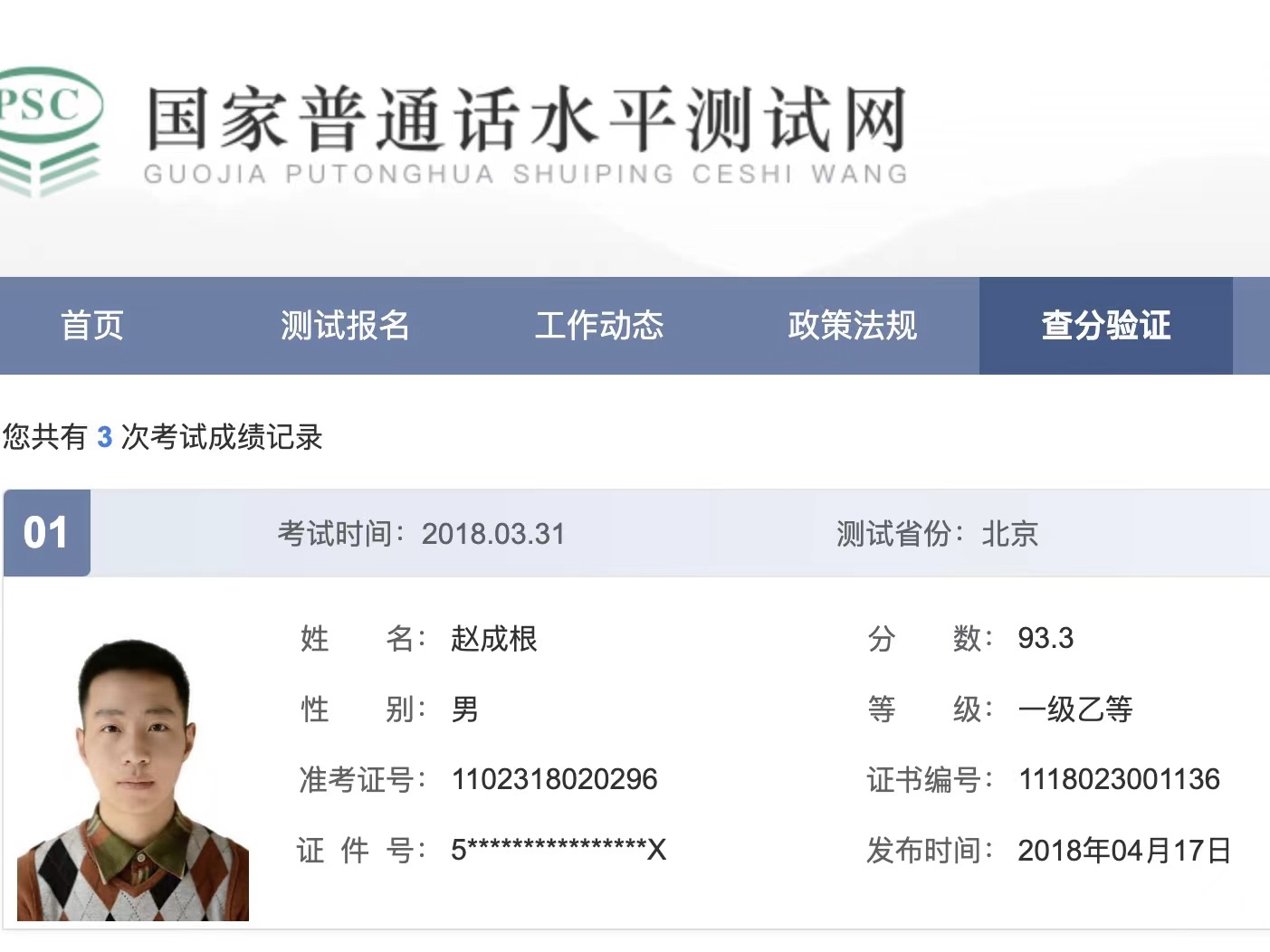
Roots Chinese grew from a simple idea: I wanted to build more than individual lessons.
I wanted a place where I could create structured courses, speaking programs, cultural experiences and new ways for learners to connect with Chinese — without being limited to just one format.
My hope is for Roots Chinese to become a place where learners with different goals can find a path that fits them: starting from zero, improving their speaking, studying privately, or exploring Chinese language and culture more deeply.
Most of all, I want it to stay personal — a place where learning Chinese still feels connected to real people, real conversations and real life.
Whether you’re starting from zero, working on your speaking, or looking for more personalized support, choose the way you’d like to learn.